
Industry information
Company News
- Fluorocarbon baked paint aluminum veneer: the new luxury of aluminum materials, the beauty of architecture
- Aluminum veneer curtain wall, the "fashionable coat" of modern architecture
- Aluminum veneer: an innovative material that changes the appearance of buildings
- Aluminum veneer customization, create your personalized space
- Aluminum veneer curtain wall, the fashionable coat of architecture
Industry dynamics
- Future trend prediction of aluminum veneer
- Painted aluminum veneer: the fashionable choice for modern architecture?
- Customized innovative design and professional production of aluminum veneer
- The charm of aluminum veneer: the perfect combination of lightness and durability
- Aluminum veneer: a fashion revolution in lightweight building materials
Frequently asked questions
- What are the sustainability indicators of aluminum veneer in building exterior design?
- What are the advantages and disadvantages of aluminum veneer compared to plastic exterior walls?
- Can aluminum veneer be customized?
- Is aluminum veneer prone to deformation?
- Can aluminum veneer be used for building facade design?
contact us
Mobile:+86 15627778610
Email: 2201229786
Address: No. 5 Binjiang Road, High tech Zone, Zhaoqing City, Guangdong Province
What are the limitations of aluminum veneer in architectural exterior design?
- Author: Supreme Building Materials (Guangdong) Co., Ltd
- Release time: 2022-02-23 20:20:06
- Click:0
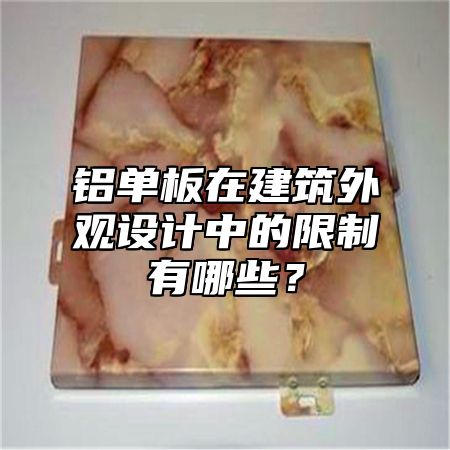
Aluminum veneerAs a new type of exterior wall decoration material, it has many advantages in architectural exterior design, but there are also some limitations. Let's take a detailed look at the limitations of aluminum veneer in architectural exterior design.
1、 Limited color selection
The color selection of aluminum veneer is relatively limited compared to traditional building materials, mainly consisting of several basic colors such as white, gray, and black. This makes aluminum veneer relatively monotonous in terms of decorative effect, making it difficult to meet customers' personalized needs.
2、 Limited texture selection
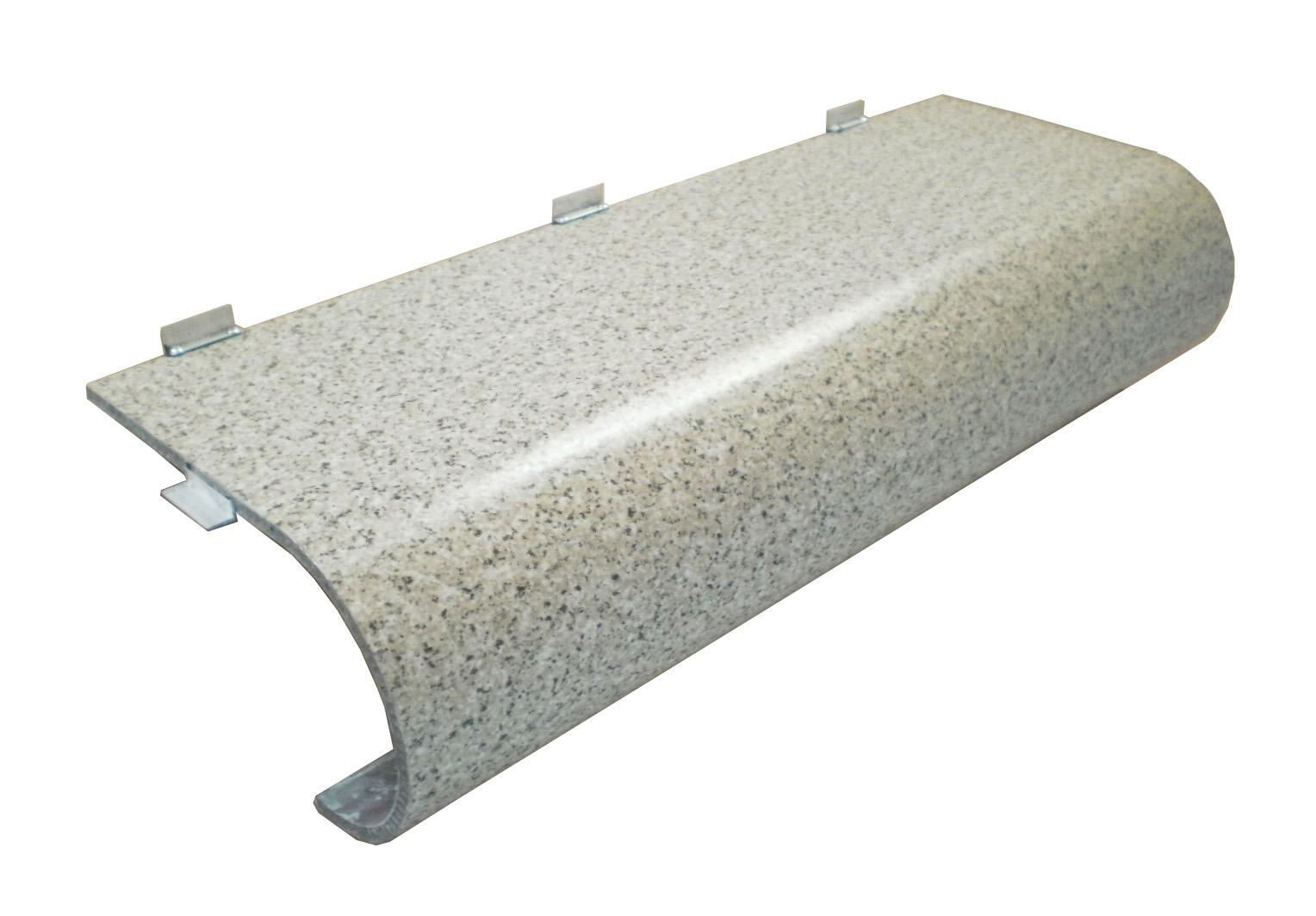
The texture selection of aluminum veneer is relatively limited, mainly including several common texture types such as roller embossing and wire drawing. This makes aluminum veneer relatively monotonous in terms of decorative effect, making it difficult to meet customers' personalized needs.
3、 Difficulty in styling
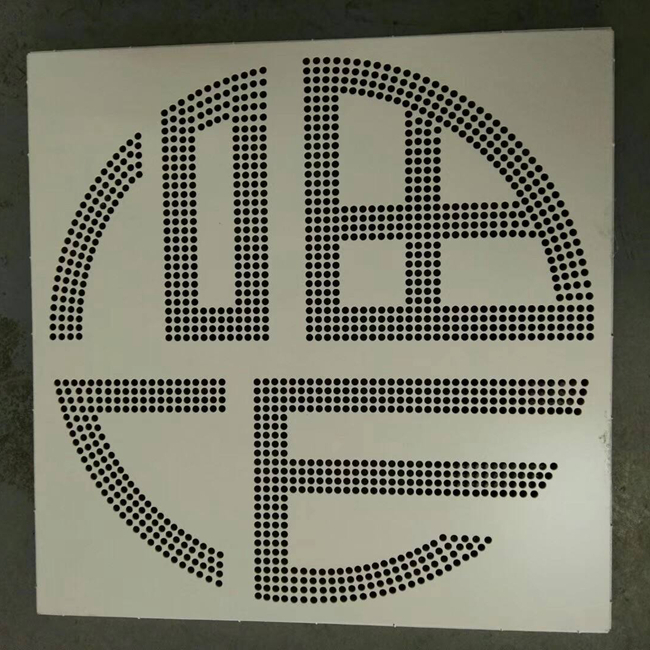
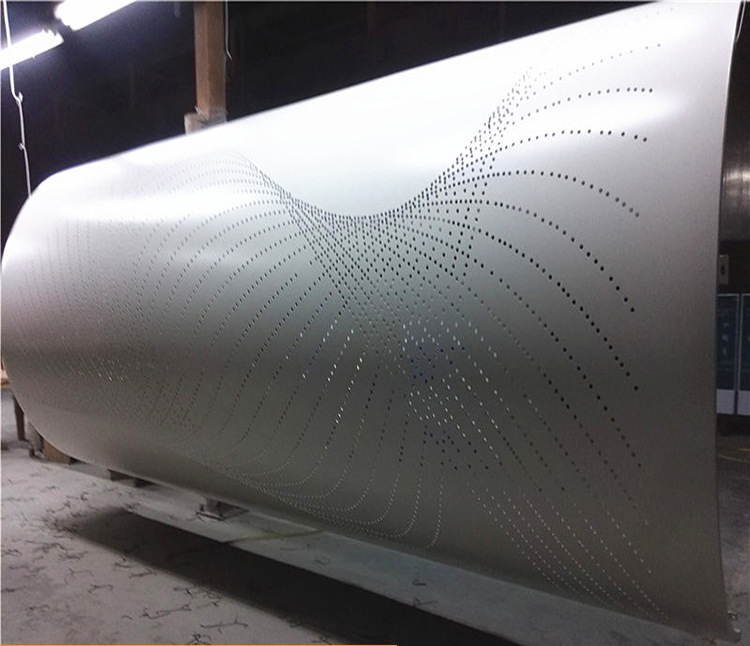
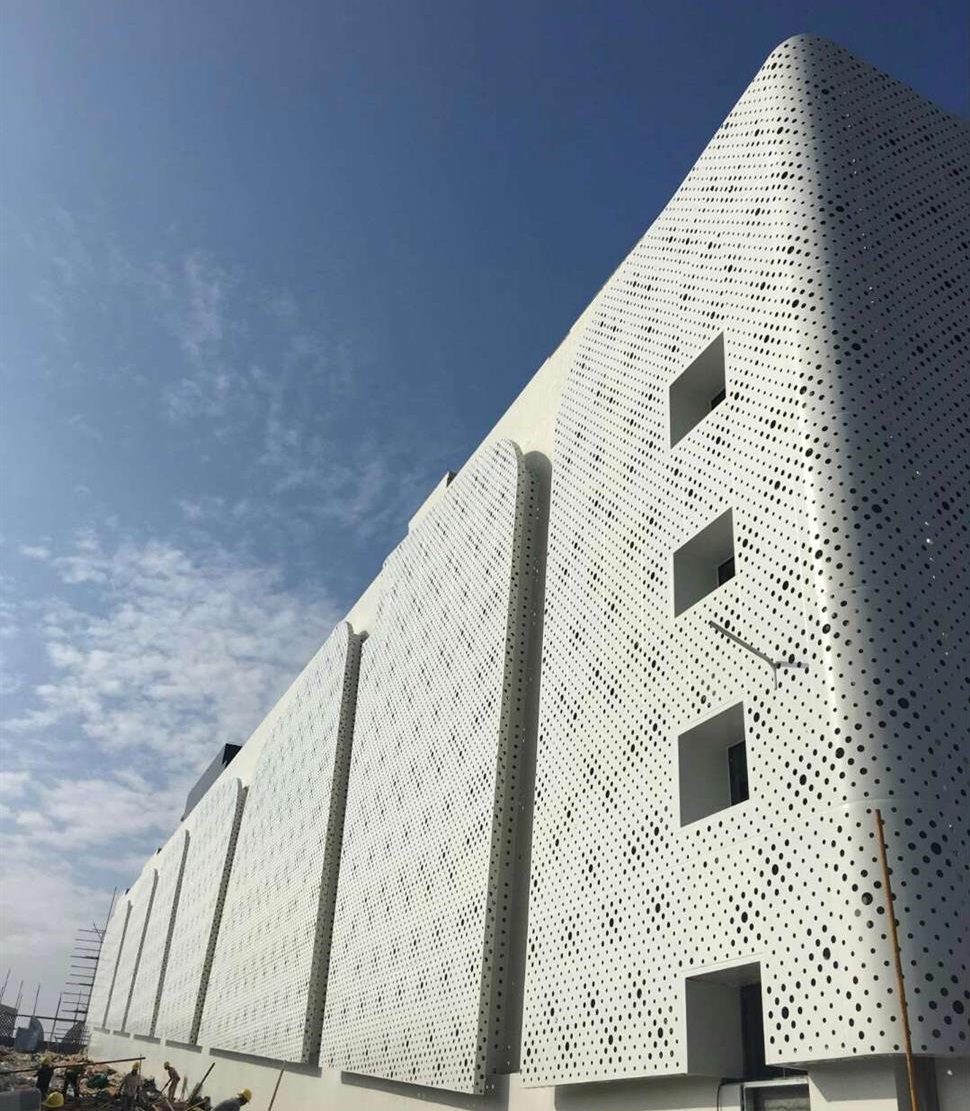
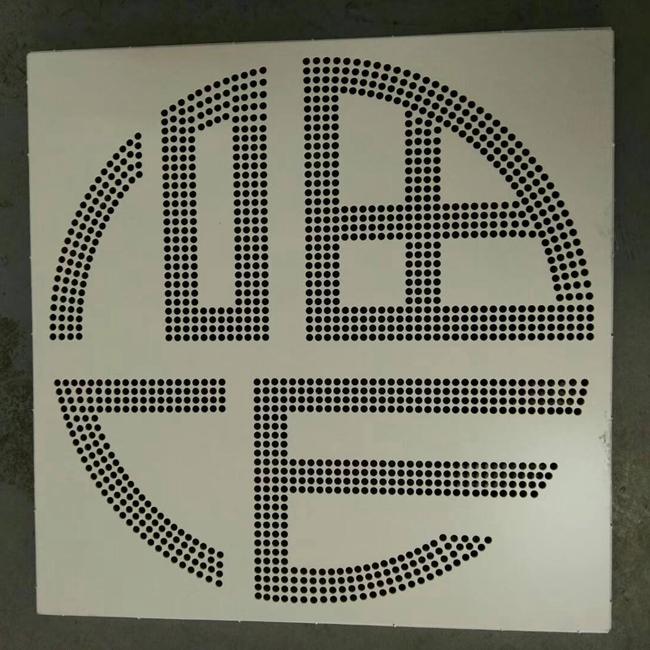
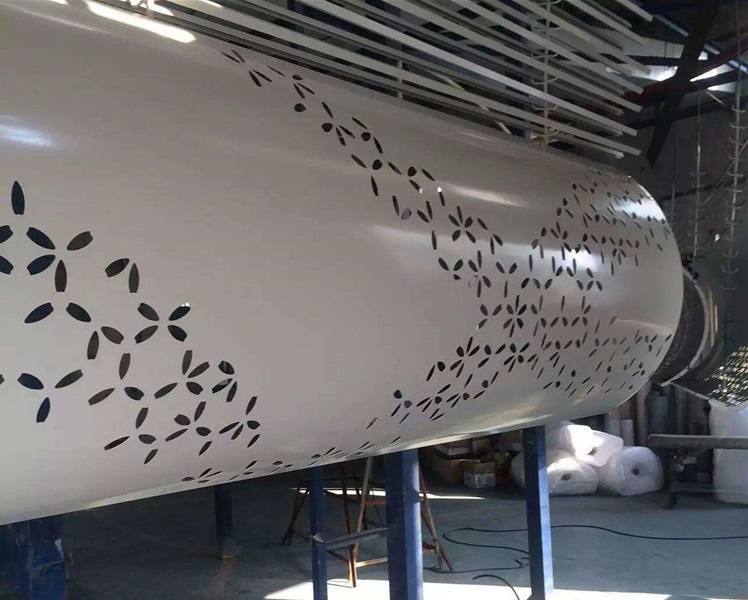
Compared to traditional building materials such as concrete, bricks, etc., the modeling difficulty of aluminum veneer is greater. The shape and size of aluminum veneer need to be customized and processed according to customer needs, which puts higher demands on the design ability and technical level of designers.
4、 Relatively poor durability
Although a dense oxide protective film can be formed on the surface of aluminum veneer after special treatment, thereby extending its service life, the durability of aluminum veneer is still relatively poor compared to traditional building materials. If exposed to natural environments such as sunlight and rain for a long time, the color and surface texture of aluminum veneer may change.
5、 Relatively high cost
Compared to traditional building materials, the production cost of aluminum veneer is relatively high. This is mainly due to the high price of aluminum and the need to consume a large amount of energy and other auxiliary materials during the production process. Aluminum veneer is relatively expensive and not suitable for large-scale applications.
Aluminum veneer has some limitations in architectural exterior design, including limited color selection, limited texture selection, difficult styling, relatively poor durability, and relatively high cost. In the future, with the continuous advancement of technology and the increasing demand for environmental protection and energy conservation, it is believed that aluminum veneer will become an innovative material with a wider range of applications.
 Customer service QQ